
The historical evolution of gambling tracing the roots of chance and luck
The historical evolution of gambling tracing the roots of chance and luck
The Origins of Gambling in Ancient Cultures
The practice of gambling can be traced back thousands of years, with some of the earliest evidence appearing in ancient China. Archaeological findings suggest that games involving chance and luck were played using rudimentary dice made from animal bones. Similarly, the ancient Egyptians enjoyed various forms of gambling, often linked to the divine and the afterlife, highlighting how intertwined these activities were with their cultural beliefs. Many modern players are keen to explore the best online slots real money usa available, just as ancient societies explored games of chance.
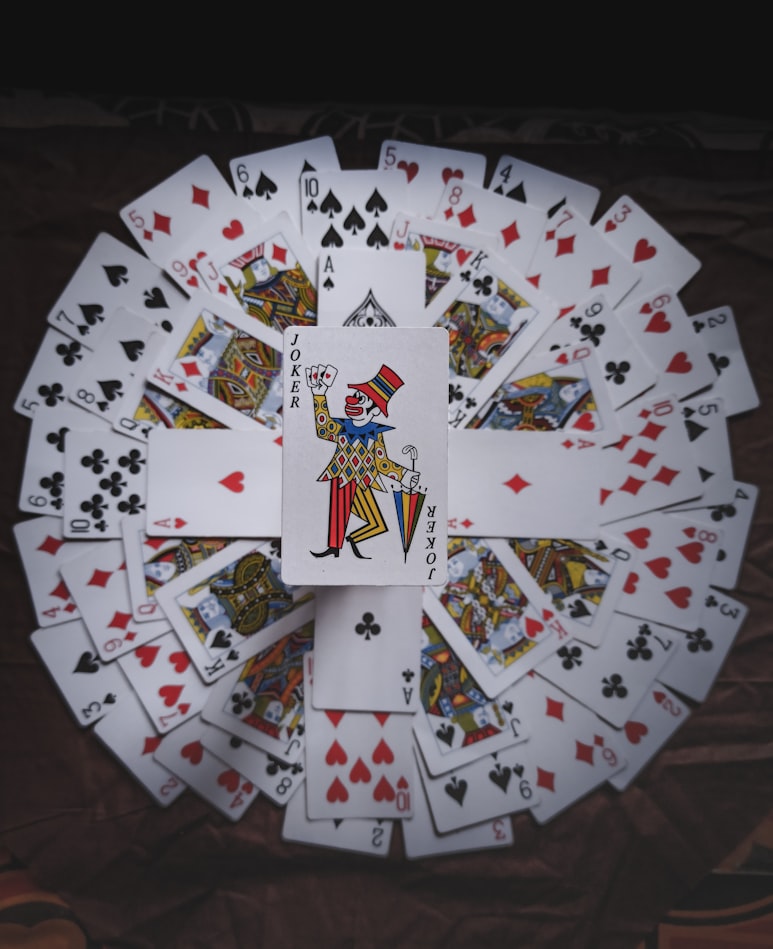
As civilizations evolved, so did the nature of gambling. The Greeks and Romans introduced more structured games, such as the popular game of dice known as “astragali.” These games were not only entertainment but also served as a social bonding mechanism, reflecting society’s broader relationships with luck and fate. As gambling spread across cultures, it began to take on different meanings and interpretations, influenced by local customs and beliefs.
The Middle Ages and the Rise of Gambling Houses
The Middle Ages marked a significant transformation in gambling practices, with the establishment of dedicated gambling houses in Europe. These venues became social hubs where people gathered to engage in games like cards and dice. The popularity of these establishments led to various regulations and laws, as authorities sought to control the burgeoning gambling scene.
This era also witnessed the emergence of gambling as an integral part of royal courts, where nobles indulged in high-stakes games. The mixture of fortune and skill became a defining aspect of gambling, with players seeking not just luck but also strategy to outwit their opponents. This period laid the groundwork for modern gambling practices, emphasizing chance and the thrill of risk.
The Influence of the Renaissance on Gambling Practices
The Renaissance brought about a cultural revival that profoundly impacted many aspects of life, including gambling. The invention of printing allowed for the widespread distribution of gambling literature, making rules and strategies more accessible to the public. Games such as poker and blackjack began to gain popularity, evolving from their early forms into the complex games we know today.
The period also saw the emergence of state-sponsored lotteries, which became a means for governments to raise revenue. This blend of chance and civic duty marked a shift in how gambling was perceived. While once viewed with suspicion, gambling began to be seen as a legitimate form of entertainment and a potential source of financial gain.
The Modern Era of Gambling and Regulation
The 20th century heralded significant changes in the landscape of gambling, with the establishment of casinos and the legalization of various betting forms in numerous jurisdictions. This era saw the rise of organized crime in illegal gambling activities, prompting governments to enact stricter regulations. In response, legitimate casinos began to flourish, offering controlled environments that appealed to a broader audience.
Technological advancements, particularly the rise of the internet, revolutionized gambling once again. Online casinos and sports betting platforms emerged, allowing players to engage in gambling from the comfort of their homes. This digital shift has transformed the gambling industry, making it more accessible while raising new questions about regulation and responsible gaming.

Discover More About Gambling History
For those fascinated by the rich and complex history of gambling, our website offers a wealth of information and resources. We delve deeper into the cultural significance of gambling across different eras, providing insights into how chance and luck have shaped societal attitudes toward this age-old pastime.
By exploring our content, you will not only gain a greater understanding of gambling’s evolution but also uncover tips and tricks for navigating the modern gambling landscape. Join us as we continue to unravel the intricate tapestry of chance and luck throughout history.